
Starlink at sea: offshore connectivity with Global Priority
Why ships on long voyages use the Global Priority plan, how to split data between crew and operations, and what to prepare before leaving port.
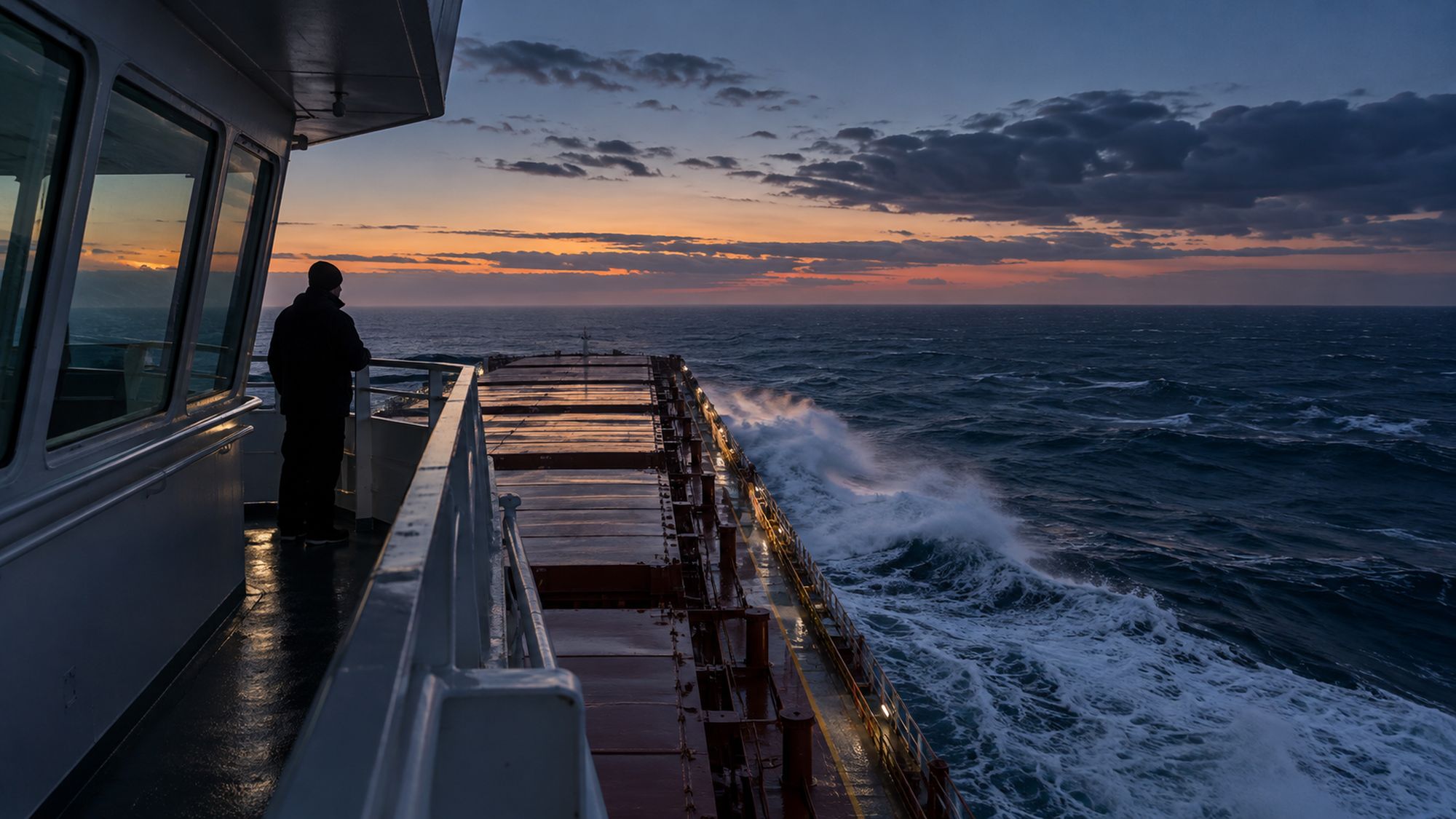
At sea, connectivity is about safety: position reports, weather, contact with the owner, and letting the crew call home. Traditional geostationary satellite has high latency and limited bandwidth. Low-orbit Starlink changes that experience entirely.
Which plan
Vessels that leave Vietnamese waters need Global Priority, which has international coverage. Local Priority is for fixed sites. See the full comparison in Local Priority vs Global Priority.
Hardware
Ships usually run Starlink Performance because it handles wind, salt water and harsh temperatures better. The mount needs a clear view of the sky, away from masts and funnels. See the installation guide for vessels.
Splitting data on board
- Separate the operations network (charts, reports, cameras) from crew Wi-Fi.
- Cap the crew network so it never starves operations.
- Use a Data Pool if the owner runs several vessels, and track it in Armada Atlas.
Tip: Before leaving port, check the kit's status in the Starlink app and save the 1800 3399 hotline.
Hardware replacement while the vessel is in a foreign port international RMA process for vessels.